Most trouble in the bush comes from heat, distance and fatigue rather than animals. A few simple habits keep you safe on walks and long drives across New South Wales.
Heat and water
Heat is the most common danger in the Australian bush, and the easiest to underestimate. Inland summer days can pass 40 degrees, and even a moderate walk in that heat uses several litres of water. Walk early in the morning or late in the afternoon, wear a broad hat and loose clothing, and rest in shade through the middle of the day. Drink before you feel thirsty.
Learn the early signs of heat illness: headache, dizziness, nausea, cramps and unusual tiredness. If you or anyone with you shows them, stop, find shade, cool down and drink. Confusion or collapse is an emergency. A simple rule helps on any walk: when half your water is gone, turn around.
Bushfire danger ratings
New South Wales uses a national system of fire danger ratings that runs from moderate through high and extreme to catastrophic. The ratings are set daily by district, and on top of them a total fire ban can be declared, during which you may not light a fire in the open. Rules on what else is allowed during a ban vary, so follow official NSW Rural Fire Service advice for the day and place you are in.
Check the rating every morning when you are in the bush during the warmer months. On extreme and catastrophic days, parks often close and the safest plan is to stay out of bushland entirely. In places like the Blue Mountains, fire can move quickly through steep country with few ways out. If you see or smell smoke, leave early rather than waiting to see what happens.
Snakes and spiders, calmly
New South Wales has venomous snakes, including brown snakes and red-bellied black snakes, but bites are uncommon and most happen when people try to catch or kill a snake. If you see one, stop, step back and give it room to move off. Wear boots and long trousers in long grass, watch where you put your hands and feet, and carry a torch at night.
For any suspected snake bite, call triple zero (000) straight away. Keep the person still and calm, apply a firm, broad bandage over the bite and up the limb, and keep the limb still. Do not wash, cut or suck the bite. The same pressure bandage method is used for a funnel-web spider bite. A redback bite is treated differently, with a cold pack rather than a bandage, and still needs medical advice. Antivenoms exist for all of these, and a first aid course is worth doing before a long trip.
Another noteBroken Hill and the far westKangaroos, wombats and emus on the roads
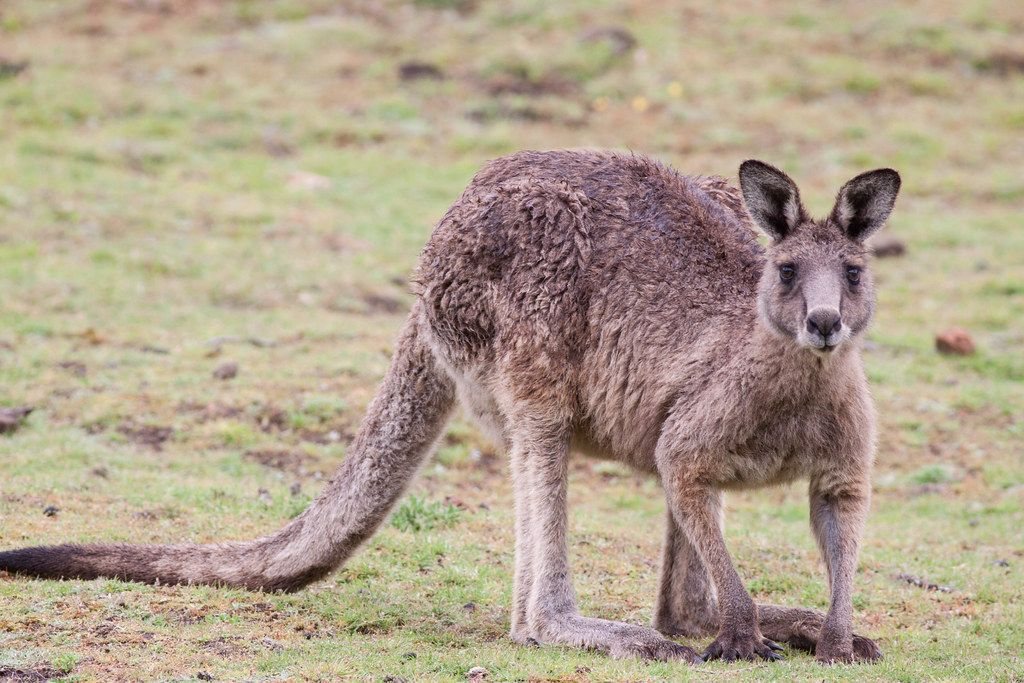
Most wildlife trouble happens on the road. Kangaroos are most active around dawn, dusk and through the night, and where one crosses, others often follow. Slow down in these hours, watch the verges, and if an animal appears, brake firmly in a straight line rather than swerving, which causes many serious crashes. In the Warrumbungles and much of the inland, the safest choice is simply not to drive after dark.
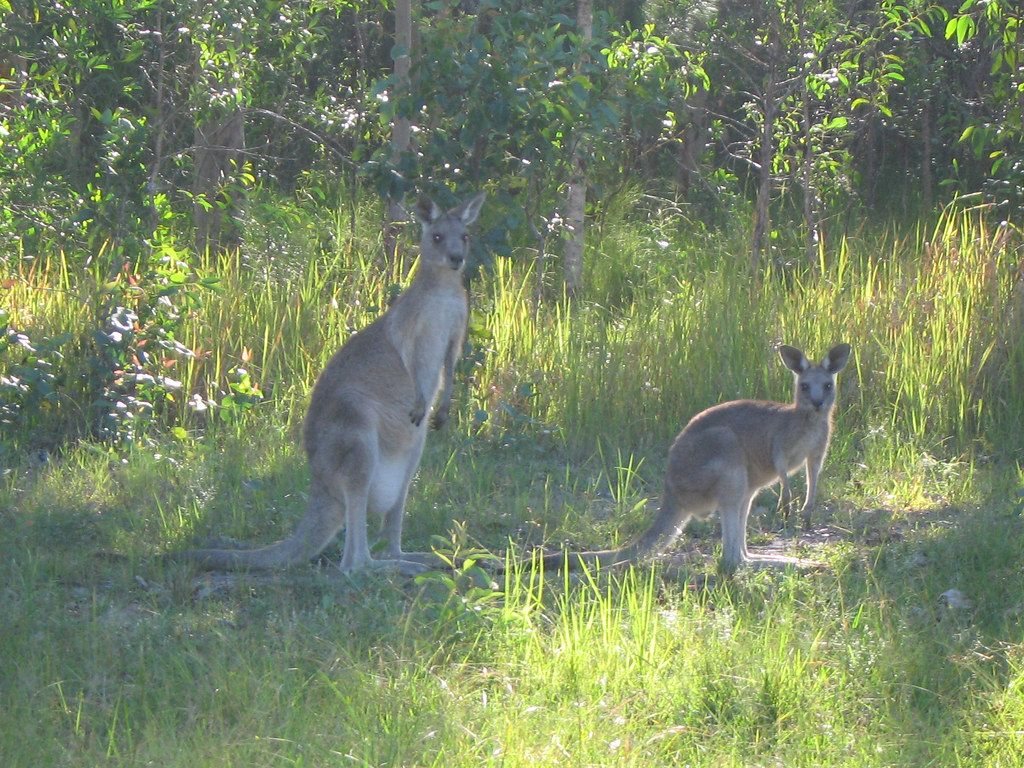
Wombats are slow, heavy and low to the ground, which makes them hard to see at night and very damaging to hit. Emus are tall, curious and quick, and they sometimes run alongside a car before cutting across in front of it. Give every animal space. Never feed wildlife, and do not approach large male kangaroos, which can kick hard if they feel threatened.
Tell someone your plans
Mobile coverage disappears quickly once you leave the towns, and in the far west there may be none for hours. Before any long walk or drive, tell someone where you are going, which route you are taking and when you expect to be back, and agree on what they should do if you do not check in. A personal locator beacon is worth carrying on remote walks. From a mobile, 112 also reaches emergency services where any network has coverage.
On remote roads such as those to Mungo, carry spare water, food and fuel, and if your car breaks down, stay with it. A vehicle is far easier to spot than a person walking.