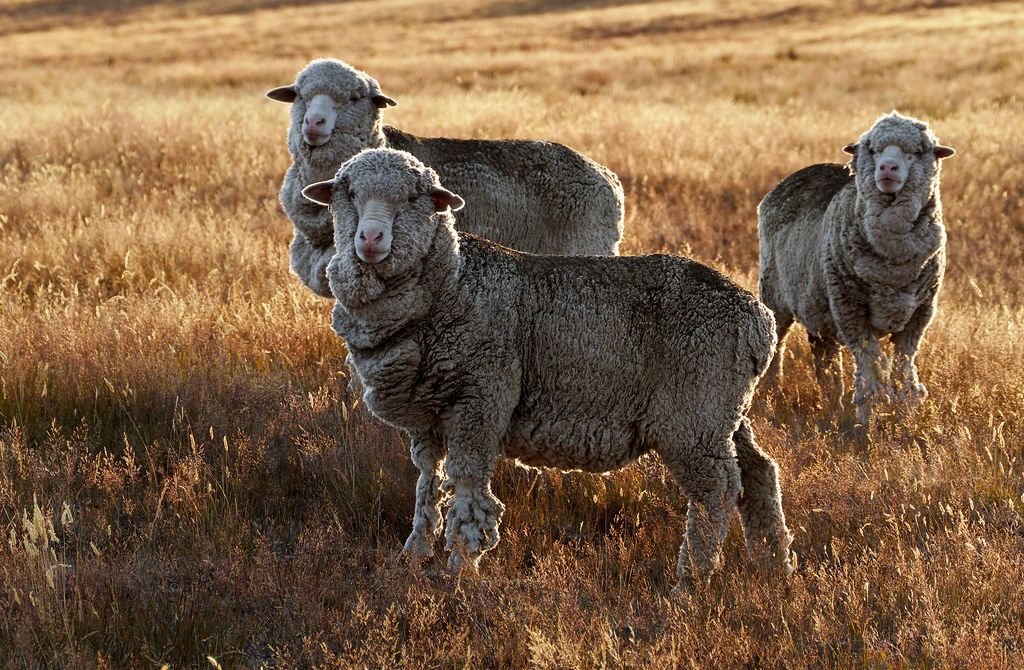
Out west, a single property can cover more ground than a small city. Here is how inland stations run, what shearing time looks like, and how to be a good guest on a working farm.
How big inland stations work
West of the ranges, rainfall drops and the country changes. Grass grows thinly, saltbush and bluebush take over, and each hectare can carry only a few sheep. To run a viable flock, a station needs a great deal of land, so properties in western New South Wales often cover thousands or even tens of thousands of hectares. Much of the far west is Crown land held under long-term leases rather than freehold.
On a place that size, water is the centre of daily life. Sheep drink from dams, from troughs fed by bores and pipelines, and in some districts from water drawn up from deep underground. A large part of the work is simply driving the property to check that every trough is full and every pump is running, and fixing the fences between paddocks. Most stations are run by a family with a small number of workers, and contractors come in for big jobs such as shearing.
The year has its own pattern. Lambing usually comes when feed is most likely to be good, and sheep are mustered several times a year for shearing, crutching, drenching and sale. In a drought, the work changes completely: stock numbers are cut back, feed is trucked in and every drop of water is watched closely. A good season and a bad one can look like two different places.
Merinos and the wool story
The sheep you see on most inland stations are merinos, a breed that came originally from Spain and does well in dry country. Merinos grow fine, soft wool, and the Australian flock was bred over generations for exactly that. For much of the late 1800s and the first half of the 1900s, wool was one of the country's most valuable exports, and many inland towns grew up to serve the stations around them.
Prices have risen and fallen many times since, and some stations now run meat breeds or cattle alongside or instead of merinos. Wool still matters, though, and the rhythm of the year on a sheep station still turns on shearing.
Another noteThe Warrumbungles and their dark skiesThe shearing shed
Most flocks are shorn once a year by a travelling team that moves from shed to shed through the season. Each shearer works a stand on the board, pulling a sheep from the pen behind, shearing it in one practised sequence and sending it down a chute outside. Shed hands sweep the board and throw each fleece onto a slatted wool table, where it is skirted to remove the dirty edges. A wool classer sorts the fleeces by quality, and a presser packs them into heavy bales marked with the station's brand, ready for sale.
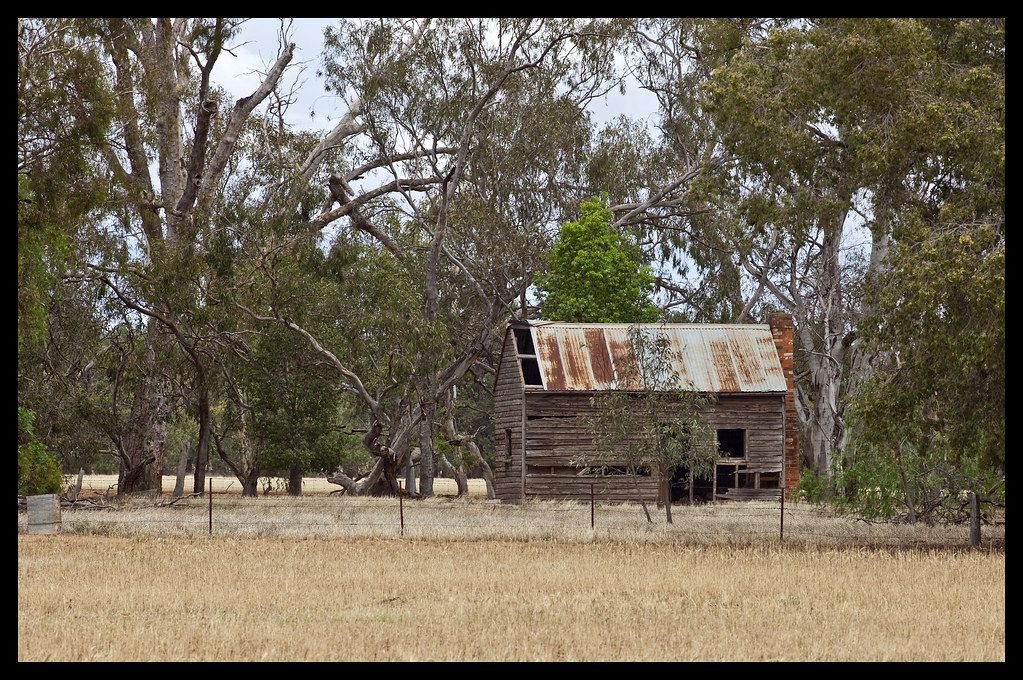
Older woolsheds are often built of timber and corrugated iron, with raised slatted floors so that sheep can be penned inside before shearing. Some historic sheds are now preserved on public land, such as the old woolshed at Mungo, and they are worth a look for the craft of their construction alone.
Visiting a working farm
A stay on a station usually means a room or cottage on the property, wide skies, very dark nights and a chance to see some of the daily work if it suits the people running it. You might watch sheep being moved between paddocks with dogs and motorbikes, or ride along on a water run. Plans change with the weather, the season and whatever goes wrong that day, so stay flexible.
Respect for the farm matters more than anything else. Leave gates as you find them. Ask before you drive any track, walk into a paddock or take photos in the shed. Keep clear of working dogs, machinery and stock, and never chase or feed animals. Clean mud and seeds off your boots and car before you arrive, since weeds and disease spread easily between properties. In the shearing shed, stay where you are put and keep out of the way of the shearers, who are working hard and fast.
Stations are often far from town, so plan fuel and supplies, and read the notes on bush safety and wildlife before you drive. Many of the big western stations lie along the roads to Broken Hill.